Picture a free afternoon. No meetings, no messages, nothing that needs doing. For many of us, the first feeling isn’t relief. It’s a low hum of unease, a pull towards the phone, the inbox or the nearest small task that might make the time feel “useful”.
If that sounds familiar, you’re not lazy, broken or bad at relaxing. You’re a human brain that has been trained, very effectively, to equate activity with safety and output with worth.
Why stillness can feel like a threat
Our nervous system is built to scan for problems. When we are busy, that scanning has somewhere to go. The moment we stop, attention turns inwards and the unfinished thoughts arrive: the email we didn’t send, the conversation we keep replaying, the sense that we should be doing more.
Doing nothing removes the distraction, so we meet our own mind at full volume. No wonder it can feel uncomfortable.
The productivity trap
Modern work rewards constant motion. Every gap in the day can be filled, optimised or monetised, and over time we lose the natural pauses that used to restore us between demands. Rest starts to feel like something we have to earn, rather than a skill we need to practise.
Yet elite performers know the opposite is true. Recovery isn’t the reward for performance, it is part of performance. Without it, energy, focus and judgement steadily drain away.
Learning to sit with it
The goal isn’t to force yourself to enjoy doing nothing. It’s to notice the discomfort, make room for it and let it pass, instead of reaching for the next distraction. Three simple steps can help:
- Recognise the urge to fill the gap and name it: “here’s the pull to be busy again.”
- Reconnect with your body and surroundings for a few slow breaths. What can you see, hear and feel right now?
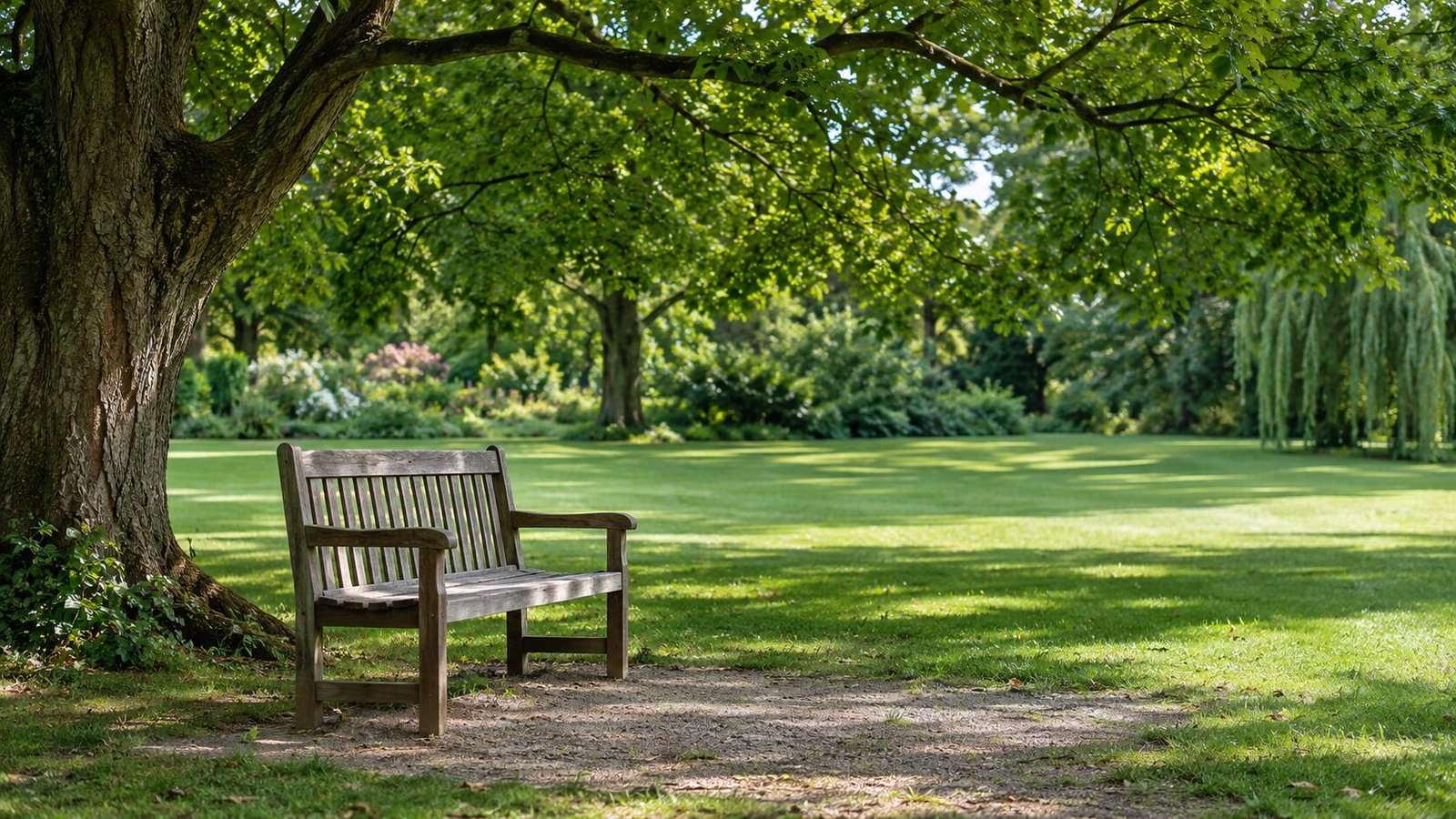
- Respond by choosing a moment of genuine recovery, even if it’s only two minutes on a park bench.
Like any skill, the more you practise recovering, the easier it becomes. And the more you protect those small moments of nothing, the more you’ll have to give when it matters.